
Why Is Jiu-Jitsu Worth the Investment?
When you browse membership options at martial arts academies across Manhattan, the monthly rates might catch you off guard. A Gracie Jiu-Jitsu membership often ranges from $200 to $400 per month in New York City—significantly more than your typical gym membership. Before dismissing this investment, understanding what drives these costs reveals why thousands of urban professionals consider it worth every dollar.
The Real Costs Behind Quality Instruction
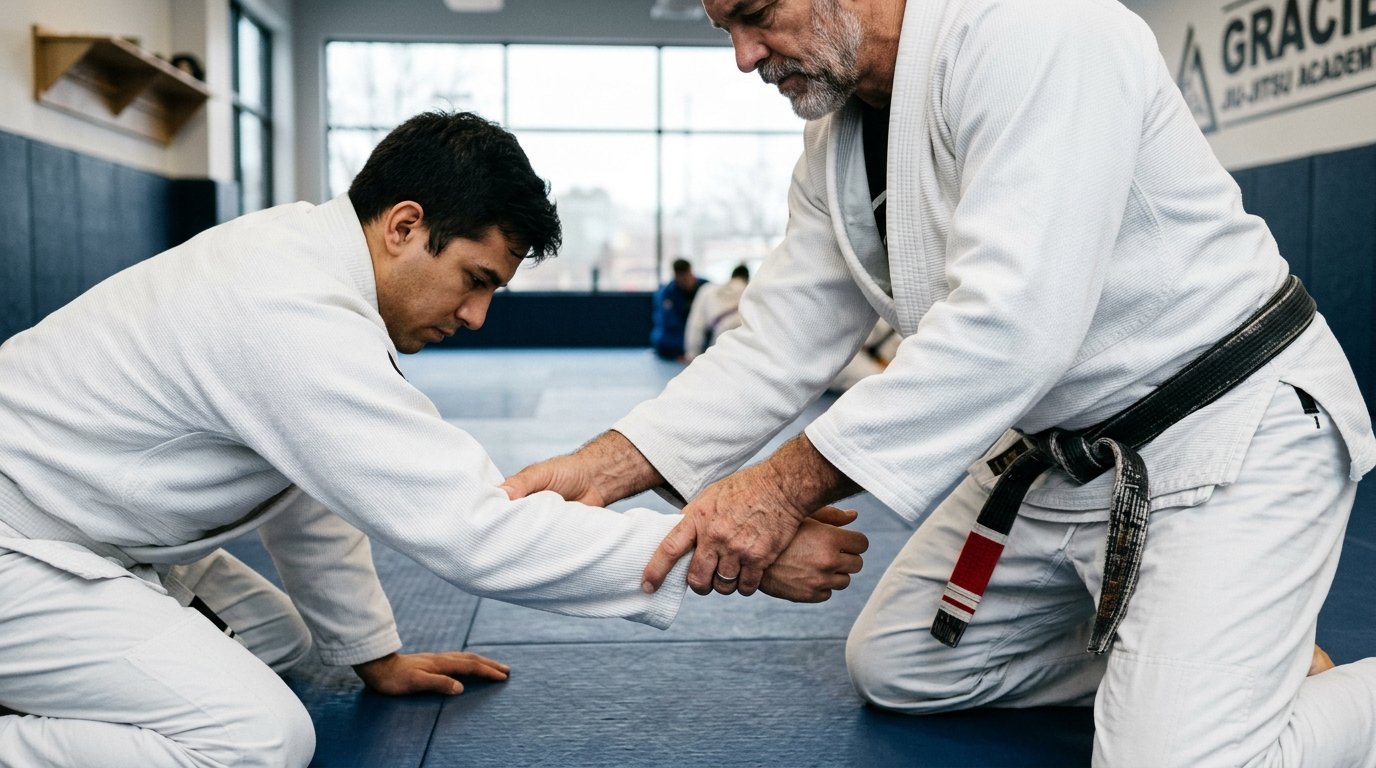
The expense of Jiu-Jitsu training reflects multiple factors that distinguish it from conventional fitness centers. Unlike group fitness classes with hundreds of members, Gracie Jiu-Jitsu maintains smaller class sizes to ensure personalized attention and safety during technical training.
Instructors undergo years of rigorous training before they're qualified to teach. A certified Gracie University instructor has invested over a decade mastering techniques, understanding body mechanics, and learning how to effectively transfer knowledge to students with varying body types and abilities. This expertise doesn't come cheap—qualified instructors command higher salaries than typical fitness professionals.
Manhattan real estate represents another significant expense. A proper training facility requires substantial square footage with specialized flooring, climate control, and safety equipment. Premium locations near Grand Central or Midtown ensure accessibility for busy professionals, but these convenience factors increase overhead costs that membership fees must cover.
What You're Actually Paying For
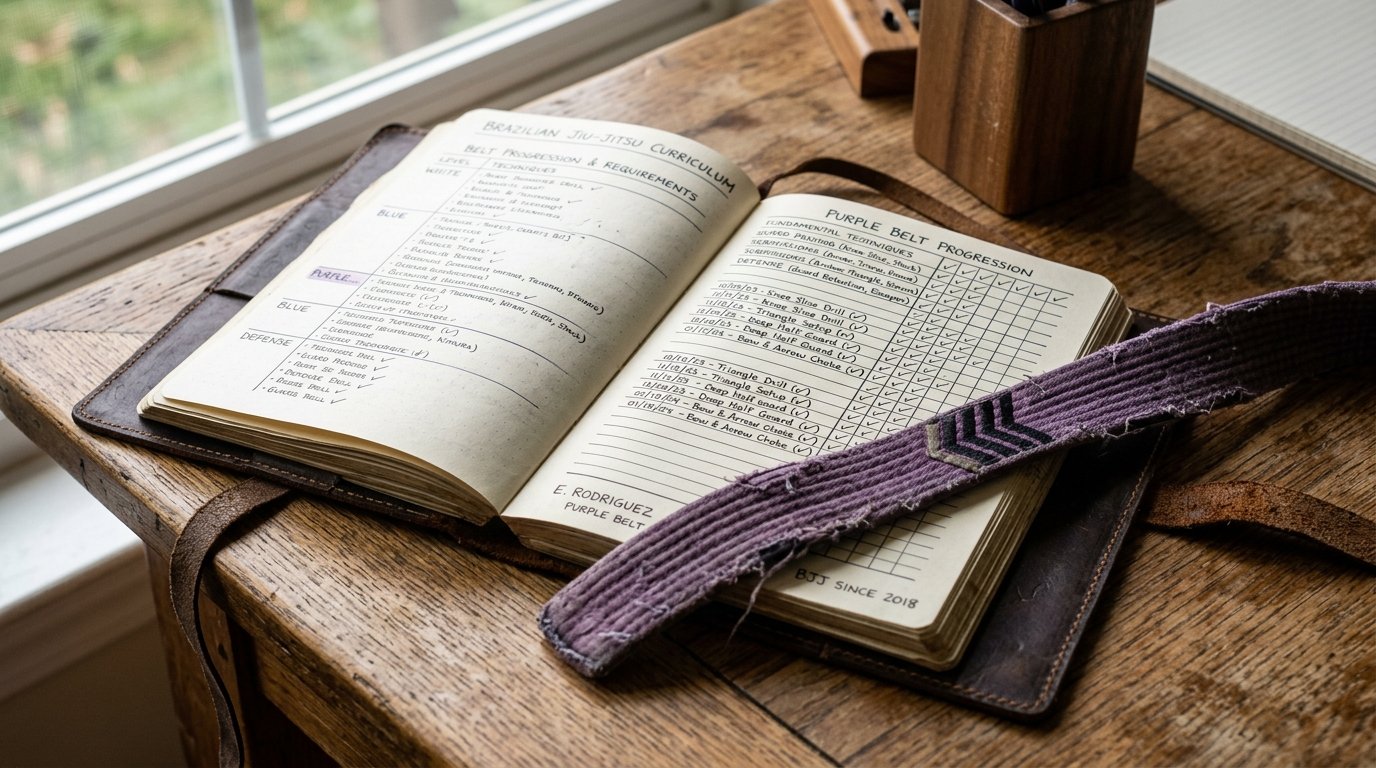
When evaluating the cost of Jiu-Jitsu training, consider that your membership includes far more than mat time. You're investing in a comprehensive self-defense education system developed and refined over generations.
Structured Curriculum and Clear Progression
Unlike many martial arts that rely on informal teaching methods, Gracie Jiu-Jitsu follows a systematic curriculum with defined milestones. This structured approach ensures you develop fundamental skills before advancing to complex techniques. Each class builds upon previous lessons, creating a coherent learning path from complete beginner to proficient practitioner.
The Gracie University certification system guarantees instructional consistency and quality standards. Your investment supports maintaining these rigorous standards that protect students and preserve the integrity of the art.
Equipment and Facility Maintenance
Proper training requires specialized equipment that demands regular maintenance and replacement. Tatami mats, heavy bags, dummies for practicing techniques, and protective gear all represent ongoing expenses. Quality facilities maintain spotless training environments, replacing worn equipment to prevent injuries and ensure optimal learning conditions.
Personalized Attention and Safety Protocols
The student-to-instructor ratio directly impacts your learning experience and safety. Quality academies limit class sizes to ensure instructors can provide individual corrections, answer questions, and monitor students for proper technique execution. This personalized approach prevents bad habits from forming and reduces injury risk—a critical consideration when learning techniques involving joint manipulation and body positioning.
Comparing Value Against Alternatives
When you calculate the true value proposition, Jiu-Jitsu training compares favorably to other professional development and wellness investments that urban professionals commonly make.
Personal training sessions in Manhattan typically cost $100-150 per hour. If you trained twice weekly, you'd spend $800-1,200 monthly. Jiu-Jitsu memberships offering unlimited classes provide significantly more contact hours with expert instruction at a fraction of that cost.
Consider also what you're replacing. Many professionals spend comparable amounts on separate gym memberships, therapy sessions for stress management, and self-defense workshops. Gracie Jiu-Jitsu consolidates these benefits into one comprehensive practice that addresses physical fitness, mental resilience, practical safety skills, and community connection simultaneously.
The Scalable Self-Defense Advantage
Perhaps the most valuable aspect of your investment involves learning the "dial" approach to conflict resolution—a concept central to Gracie Jiu-Jitsu philosophy. Unlike striking-based martial arts that function as an on-off switch, Jiu-Jitsu provides scalable responses appropriate to various threat levels.
In practical urban scenarios—whether dealing with an aggressive individual on the subway or protecting yourself in a parking garage—you need options beyond binary choices of doing nothing or inflicting maximum damage. Gracie Jiu-Jitsu teaches controlled techniques that allow you to de-escalate situations, establish dominant positions, and apply exactly the level of force necessary.
This leverage-based approach proves particularly valuable for smaller practitioners facing larger aggressors. The techniques emphasize mechanical advantage and proper body positioning over raw strength—skills that remain effective regardless of your athletic background.
Long-Term Investment in Personal Development
Unlike temporary fitness trends or short-term workshop experiences, Jiu-Jitsu represents a long-term investment in comprehensive personal development. Students report benefits extending far beyond the mat.
The problem-solving aspects of training—analyzing positions, anticipating opponent movements, adapting techniques to different body types—sharpen cognitive abilities that translate to professional settings. The patience required to master complex movements builds resilience that helps navigate challenging career situations.
Physical benefits accumulate over time as well. Regular practitioners develop functional strength, cardiovascular endurance, flexibility, and body awareness that conventional gym routines struggle to match. The full-body engagement required during training provides comprehensive fitness benefits without the monotony of repetitive exercises.
Hidden Value: Community and Accountability
The community aspect of Jiu-Jitsu training represents an often-overlooked dimension of value. Unlike isolated gym workouts, training creates genuine connections with fellow practitioners who share your commitment to personal growth.
This community provides built-in accountability that helps maintain consistency—crucial for seeing real results. When training partners expect your presence and your progress matters to the group, you're far more likely to maintain regular attendance than when facing a solitary treadmill.
For professionals new to New York City or seeking connections beyond workplace relationships, the academy becomes a social hub where authentic friendships develop through shared challenges and mutual support.
Ways to Maximize Your Investment
If you decide Jiu-Jitsu training aligns with your goals, several strategies help maximize the value of your membership investment.
Attend Consistently: The difference between attending once weekly versus three times weekly dramatically affects your cost-per-class and, more importantly, your skill development. Most academies offer unlimited training, making frequency the key to value optimization.
Supplement Mat Time with Study: Understanding the conceptual framework behind techniques accelerates learning. Many practitioners review instructional content between classes to reinforce concepts and prepare questions for instructors.
Engage Fully with the Curriculum: The structured progression system works best when students trust the process rather than rushing ahead. Mastering fundamentals creates a stronger foundation than collecting advanced techniques without proper context.
Participate in the Community: The relationships you build enhance both enjoyment and learning. Training partners who know your game help identify weaknesses and challenge your development in ways solo practice cannot replicate.
Is the Investment Worth It?
The question of whether Jiu-Jitsu justifies its cost ultimately depends on your priorities and how you value different life investments. For urban professionals seeking practical self-defense skills, comprehensive fitness, stress management, and meaningful community connection, the monthly membership represents exceptional value when utilized fully.
Consider that many New Yorkers spend similar amounts on entertainment, dining, or subscriptions that provide temporary enjoyment without lasting benefits. Jiu-Jitsu training builds capabilities and confidence that compound over years, fundamentally changing how you move through the world.
The true expense isn't the monthly membership fee—it's the opportunity cost of not developing these capabilities. The confidence that comes from knowing you can protect yourself and others, the fitness benefits that improve every aspect of daily life, and the mental clarity that training provides represent investments in your fundamental quality of life.
Frequently Asked Questions
Why is Jiu-Jitsu class so expensive?
Jiu-Jitsu classes reflect costs including expert instruction from highly trained teachers, specialized facility requirements with proper mats and equipment, small class sizes for personalized attention and safety, and prime urban locations for accessibility. Unlike large-group fitness classes, the personalized nature of martial arts instruction and the years of training instructors invest justify premium pricing.
What is Mark Zuckerberg's BJJ rank?
As of 2026, Mark Zuckerberg holds a blue belt in Brazilian Jiu-Jitsu. He's been publicly vocal about his training and how the practice has benefited both his physical fitness and mental clarity, demonstrating that even extremely busy professionals can integrate Jiu-Jitsu into demanding schedules.
Is Jiu-Jitsu worth the price?
For individuals who attend regularly and engage fully with training, Jiu-Jitsu delivers exceptional value by combining self-defense skills, comprehensive fitness, stress management, and community in a single practice. When compared to the combined cost of personal training, therapy, and separate self-defense courses, the investment becomes remarkably cost-effective. The key is consistent participation to maximize the unlimited class structure most academies offer.
What is the 80 20 rule in Jiu-Jitsu?
The 80/20 rule in Jiu-Jitsu suggests that 80% of your success comes from mastering 20% of available techniques. Rather than trying to learn hundreds of moves, practitioners should focus on developing deep proficiency in fundamental techniques that work across many situations. This principle aligns perfectly with the structured curriculum approach that emphasizes building strong foundations before advancing to complex variations.
Ready to experience the value of expert Gracie Jiu-Jitsu instruction firsthand? Visit our Grand Central location to observe a class and speak with our certified instructors about how our structured curriculum can help you achieve your self-defense and fitness goals. Your first step toward practical self-defense capability and comprehensive personal development starts with a single visit.